
Your Guide to Online Gambling: Games, Bonuses, and Winning
Online gambling is the act of wagering real money on games of chance or skill through internet-based platforms, and at its heart, it offers a convenient way to enjoy familiar casino experiences from the comfort of your own space. Once you create an account and deposit funds, you can instantly access a wide range of options—from virtual slot machines to live dealer tables—allowing you to play at your own pace, whether you have five minutes or an entire evening. The real value lies in the flexibility and control it gives you, letting you set your own limits and choose games that match your mood, all while providing the same thrill as a physical casino without the travel or crowds. This blend of accessibility and personal choice makes online gambling a uniquely comfortable path for those seeking occasional entertainment or a casual escape from routine.
What Exactly Is Online Gambling and How Does It Work?
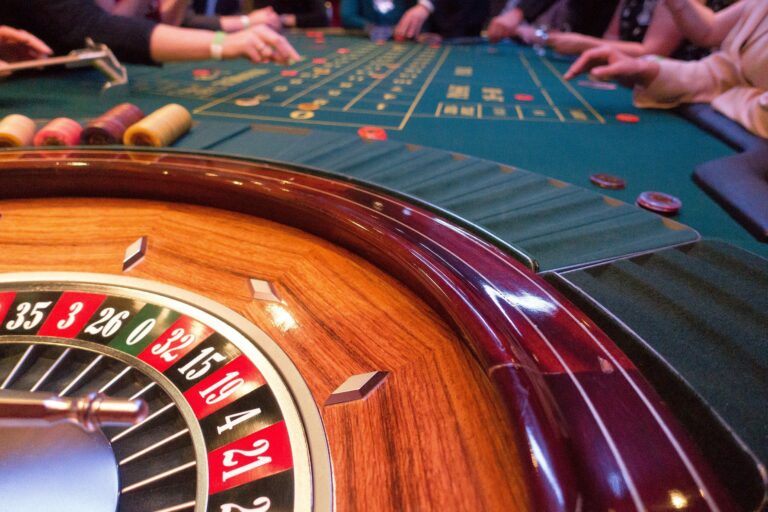
Online gambling is the act of wagering real money on games of chance or skill through a web-based platform, where the outcome is determined by a random number generator (RNG) or live dealer feed. To participate, you first create an account, deposit funds via a card or e-wallet, and then select a game—such as slots, poker, or blackjack—from the lobby. The software instantly connects you to a central server that processes your bet, calculates the result, and credits winnings or deducts losses in real time. Crucially, the house edge is built into the game’s return-to-player percentage, so your odds are fixed by code, not by your strategy. Always verify the RNG certification before betting, as this ensures fairness. Set a strict loss limit before you start, because the interface is engineered for seamless, rapid wagering. However, chasing a loss feels identical to recovering a win—only your bankroll knows the difference.
The Core Mechanics: RNGs, Payout Percentages, and Game Fairness Explained
At the heart of every online slot and virtual table game lies a Random Number Generator (RNG), a complex algorithm producing thousands of unpredictable results per second to ensure no spin or hand can be forecast. This digital heartbeat guarantees fairness, but your real-world returns depend on the Return to Player (RTP) percentage—a theoretical figure indicating how much of all wagered money a game returns over millions of cycles. A 96% RTP means a $100 stake theoretically yields $96 back long-term, but variance creates massive short-term swings. Independent testing agencies like eCOGRA regularly audit these systems, verifying that the RNG remains truly random and the payout percentages match advertised values. Before you wager, always check the game’s RTP or volatility rating to align your bankroll with expected risk.
Q: Can I actually trust the RNG to be fair? A: Yes, if the casino holds a valid license from a respected regulator, its RNGs are continuously monitored and tested by third-party labs like iTech Labs, ensuring that every outcome is statistically random and unmanipulated, regardless of your wins or losses.
Real-Money vs. Free-to-Play Modes: Knowing the Difference Before You Bet
Before you dive into any online casino, you need to know the real difference between Real-Money vs. Free-to-Play Modes, because they aren’t the same game. Free-to-play gives you virtual credits, letting you test slots or table games with zero financial risk—perfect for learning rules or just killing time. Real-money mode, however, uses your actual cash, and every spin or hand directly impacts your bankroll. The catch? Free play rarely mirrors true payout behavior or win frequency, so don’t assume your demo streak means you’ll win for real. Winning fake credits can build false confidence, but real bets introduce emotional pressure, timing decisions, and stake management that no free session can replicate. Always check which mode you’re launching, because accidentally betting real cash when you thought it was a fun demo is a rookie mistake with expensive consequences.
How to Pick the Right Platform for Your Betting Style
Match the platform to your rhythm. If you live for live bets, pick one with instant cash-out and low-lag streams; if you’re a pre-match planner, prioritize deep markets and bet builders over flashy in-play tools. Check the bet slip—does it allow system bets or cash-out partials the way you like? For sharp players, find sites with low max stakes and high odds margins; casuals want easy deposits and fun bonuses, not complex rules. Test with a small deposit before committing. Ask yourself: “Does this interface let me bet quickly without friction during a live match?” If the answer is no, move on. Also, look at payment speed—you need withdrawals that match your bankroll cycle, not one that stalls your next wager. Finally, read the sports coverage; a platform with zero niche leagues is useless if you bet on them daily.
Key Features to Compare: Game Variety, Payment Speed, and Mobile Compatibility
When matching a platform to your betting style, start with game variety as your core filter—slots lovers need hundreds of titles, while live-deal enthusiasts should verify multiple blackjack or roulette streams are actually active at peak hours. Next, test payment speed by scanning withdrawal windows in the cashier’s terms; e-wallets should clear within 12 hours, cards often take 2–3 days, and instant-pay options are your lifeline if you cash out after every win. Finally, check mobile compatibility by loading the site on your actual phone—not just reading “responsive design.” A laggy spin or a frozen cashout button on a betting slip kills momentum, so demand smooth touch controls and stable in-game feeds. These three filters—variety, payout pace, and mobile fluidity—instantly separate casual platforms from ones built for decisive, frequent action.
Game variety dictates your ceiling, payment speed respects your schedule, and mobile compatibility keeps you in the flow—compare these three first, always.
Identifying User-Friendly Interfaces and Seamless Navigation for Beginners
For beginners, identifying user-friendly interfaces means prioritizing platforms where core betting functions—odds selection, stake entry, and bet slip confirmation—are visible without scrolling or hidden menus. Look for clear, labeled icons and a consistent layout across desktop and mobile, as seamless navigation hinges on predictable placement of balance, deposit, and support buttons. A cluttered dashboard with flashing promotions often masks critical controls, so test the platform’s basic flow before funding an account. Filter markets by sport or event type, and ensure a single click returns you to the main lobby. Beginner-friendly betting platforms typically feature a “quick bet” slider and a visible history log, reducing confusion during live wagering. Avoid sites that require multiple clicks to change odds format or cash out.
Seamless navigation for beginners means finding every essential action—bet placement, balance check, and rule access—within two clicks, with no hidden menus or confusing pop-ups.

Maximizing Your Bankroll with Smart Betting Strategies
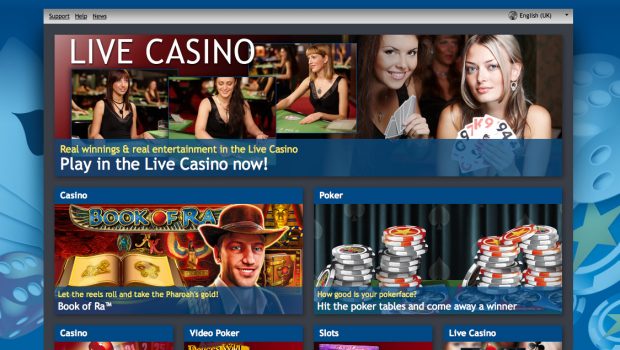
Maximizing your bankroll in online gambling hinges on disciplined, percentage-based stakes rather than chasing losses. Allocate a fixed fraction of your total funds per wager—typically 1–5%—to withstand variance and prolong session play. Prioritize games with lower house edges and favourable rules, as these directly reduce the long-term cost of play. Set strict win and loss limits before starting; when you hit a target, stop, regardless of momentum. Never increase bet sizes after a loss—this tilts risk against you and erodes capital faster. Instead, use consistent unit sizing and periodically recalculate stakes based on your current balance. Shop for better odds across multiple sites, since slightly higher payouts compound your returns over hundreds of bets. Finally, separate your gambling funds from daily expenses, keeping your bankroll isolated to ensure no emotional or financial bleed into other obligations. Smart bankroll management turns gambling from a sprint into a controlled marathon.
Setting Win and Loss Limits: A Practical Approach to Managing Your Funds
Establishing predetermined win and loss thresholds transforms bankroll management from reactive emotion into proactive discipline. Before any session, define a loss cap—typically 20–30% of your session bankroll—and a win target, often 15–20% above your starting balance. Once either limit is hit, cease wagering immediately, regardless of momentum or perceived “hot streaks.” This prevents the common trap of giving back profits after a winning run or chasing deficits with larger bets. Log every session’s outcome against your limits to identify patterns where you exit early versus overstay, then adjust your caps based on actual variance. A practical rule: if you reach your loss limit in under 30 minutes, reduce your base stake by half for the next session, as your current stake size likely exceeds your risk tolerance.

Using Bonuses and Loyalty Rewards to Extend Your Playtime and Value
Strategic use of casino promotions directly inflates your effective bankroll, allowing more wagers per deposit. Prioritize **reloading bonuses and cashback offers** to recoup losses and sustain longer sessions. Loyalty programs, often tier-based, convert your regular play into redeemable points for free spins or bonus credits, effectively lowering your house edge over time. Always check wagering requirements before claiming, as high playthrough multipliers can diminish real value. Opt for rewards that match your game type to avoid wasted turnover.
- Claim deposit matches during promotional days to maximize initial funds.
- Track VIP points to unlock higher cashback percentages and exclusive perks.
- Use free spins on low-volatility slots to stretch bonus funds further.
Understanding the Different Types of Bets and Wagers You Can Place
Mastering online gambling begins with understanding the different types of bets and wagers you can place, as each carries distinct risk and payout structures. Straight bets, like moneyline or point spread wagers, offer simple outcomes based on a single result. Parlays combine multiple selections into one ticket, multiplying potential returns but requiring every leg to win. Over/under (totals) bets focus on the combined score, not the winner, while prop bets target specific in-game events such as the next goal scorer or total corners. For live betting, in-play wagers allow you to adjust stakes as odds shift in real time, demanding quick math and bankroll discipline.
Always match your bet type to your information edge—a parlay’s allure hides compounding risk, so size each stake as a fraction of your roll, not your hope.
Before wagering, review each platform’s odds format (decimal, fractional, or American) and settle rules, since pushes, voids, and cash-out options alter your actual exposure.
Sportsbook vs. Casino Wagering: How Odds and Stakes Differ
In sportsbook wagering, odds reflect calculated probabilities shaped by real-world variables, producing dynamic stakes that shift with live action; your potential payout hinges on implied probability, and you set a fixed risk per bet. Casino wagering, however, applies house-edge percentages to every spin or hand, meaning odds are static per game rule, and stakes scale directly with table limits or wager sizes you choose. Sportsbooks require you to evaluate value against changing lines, while casinos demand bankroll management against a constant mathematical disadvantage. The key distinction: sports odds fluctuate pre-match and in-play, altering stake value, whereas casino odds remain locked, making your stake the only variable you control.
- Sportsbook odds move with injuries or weather; casino odds never change mid-round.
- A $50 stake on a +200 underdog yields a variable $150 profit; a $50 blackjack hand returns fixed 1:1 or 3:2.
- Sports betting allows hedging to adjust stakes; casino wagers cannot be altered after placement.
- Parlay multipliers in sportsbooks amplify stakes; casino side bets multiply only within a single game.
Live Dealer, Slots, Poker, and Specialty Games: Choosing What Fits Your Goals
When selecting between live dealer, slots, poker, and specialty games, your bankroll and desired control dictate the choice. Live dealer options suit players seeking social rhythm and transparent pacing, though they demand higher minimums and patience. Slots offer rapid, low-stakes entertainment with volatile payouts, ideal for short sessions where variance is acceptable. Poker rewards skill over time, fitting those who prioritize strategic depth and long-term edge over immediate gratification. Specialty games like keno or scratch cards provide minimal decision-making, perfect for casual, low-pressure play. Ultimately, aligning game mechanics with your risk tolerance and time investment ensures goal-oriented game selection, preventing mismatched expectations that lead to best crypto casinos frustration or overspending.
Practical Tips to Improve Your Chances Without Chasing Losses
To truly improve your odds over time, treat each session as an independent event rather than a quest to recover what’s gone. Set a strict loss limit before you log in, and when you hit it, walk away—this is the cornerstone of practical bankroll management. Similarly, cap your winnings; banking a profit protects you from the emotional spiral of giving it back. Focus on games with a lower house edge, like blackjack or video poker, and master basic strategy to squeeze every possible percentage point. Most importantly, never increase your bet size after a loss, as that is the fastest route to ruin. By accepting that losses are the cost of entertainment, you build a sustainable mindset where avoiding tilt after losses becomes your greatest edge.
Learning Game Rules and Paytables Before Staking Real Money
Before wagering a single dollar, treat every game’s rules and paytable as your primary strategy tool. Mastering the paytable reveals the true house edge, showing which bets carry the lowest risk and which symbols or hands deliver the best returns. For slots, check the volatility and maximum win potential; for blackjack, memorize the exact payout for blackjack (often 3:2) and dealer stand rules. For video poker, study the full-pay variations—like 9/6 Jacks or Better—since a single payout point difference shifts the odds dramatically. RTP percentages only matter when you understand how they apply to specific bet sizes. Use free-play modes to test these rules until recall is automatic. Only then should you risk real money, because informed play prevents costly beginner mistakes.
Recognizing Patterns in Your Own Behavior to Gamble Responsibly
To gamble responsibly online, you must become a detached observer of your own clicks and emotions. Track your session triggers—login after stress, raising stakes after a win, or playing faster after a loss. These are your personal pattern flags. When you notice a repetitive urge to “get even” or a sudden spike in bet size, force a five-minute logout. This pause breaks the autopilot loop. Keep a simple log: date, time, mood, and bet size for ten sessions; you’ll spot your danger zones instantly. Self-monitoring behavior patterns is your strongest safeguard against impulsive chasing.
Q: How can I recognize my own risky pattern before it leads to a chase?
A: Look for two fixed signs: a tempo change (faster betting) and a mental narrative of “one more to recover.” If you catch either, that’s your pre-recorded warning—stop, log out, and wait 24 hours.
Common Pitfalls New Users Face and How to Avoid Them
New gamblers often chase losses, believing a big win is due, but this is the fastest route to draining your bankroll. Avoid this by setting a strict loss limit before you start and walking away the moment you hit it. Another common trap is ignoring the fine print on bonuses; those wagering requirements can turn a “free” offer into a financial sinkhole. Always read the terms, calculating if the playthrough is realistic for your budget. Additionally, many novices bet on games they don’t understand, relying on hunches rather than odds. Master one game’s rules and basic strategy first—this sharply reduces the house edge against you. Smart gambling isn’t about luck winning out, but about disciplined decisions minimizing the damage. Finally, never gamble while intoxicated or emotionally upset; impaired judgment leads to impulsive, reckless stakes. Treat your gambling budget as a non-refundable entertainment expense, not an investment. If you follow these guardrails, you’ll survive longer and enjoy the experience far more.
Misunderstanding Wagering Requirements on Free Spins and Matched Deposits
New players frequently misread how wagering requirements apply to free spins and matched deposits, treating the bonus as instant cash. In reality, the true cost of bonus terms only emerges when you calculate the total turnover needed—for example, a 100% match with 35x playthrough on deposit plus bonus means betting $3,500 before withdrawal. Free spins often carry separate, tighter restrictions, sometimes capping winnings or excluding certain games entirely. To avoid forfeiting profits, follow this sequence: first, check the playthrough multiplier for both the deposit and bonus; second, verify whether free spin winnings are subject to an additional turnover; third, confirm game contribution percentages; fourth, track your progress in the player dashboard. Treat any bonus as a loan with interest, not a gift, and you will never be caught off guard.
Overcomplicating Payment Withdrawals: What You Need to Know About Cash-Out Times
New players often mistake the casino’s displayed withdrawal window for the actual arrival of funds, overlooking that cash-out times split into pending, processing, and bank-transfer phases. A method labeled “instant” usually clears the casino’s queue within minutes, yet e-wallets might hold funds for 24 hours, while card payouts can take 3–5 business days after approval. Avoid resubmitting requests or canceling pending withdrawals—that resets the timer and triggers extra verification checks. Instead, check the cashier’s specific settlement calendar, account for weekends, and stick to one method per payout. The real delay is rarely the casino; it’s the intermediary banks and your own repeated status refreshes.
Cash-out times are cumulative steps—verify each phase, do not cancel, and expect intermediary delays beyond the casino’s control.